
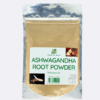
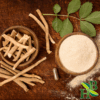
Description
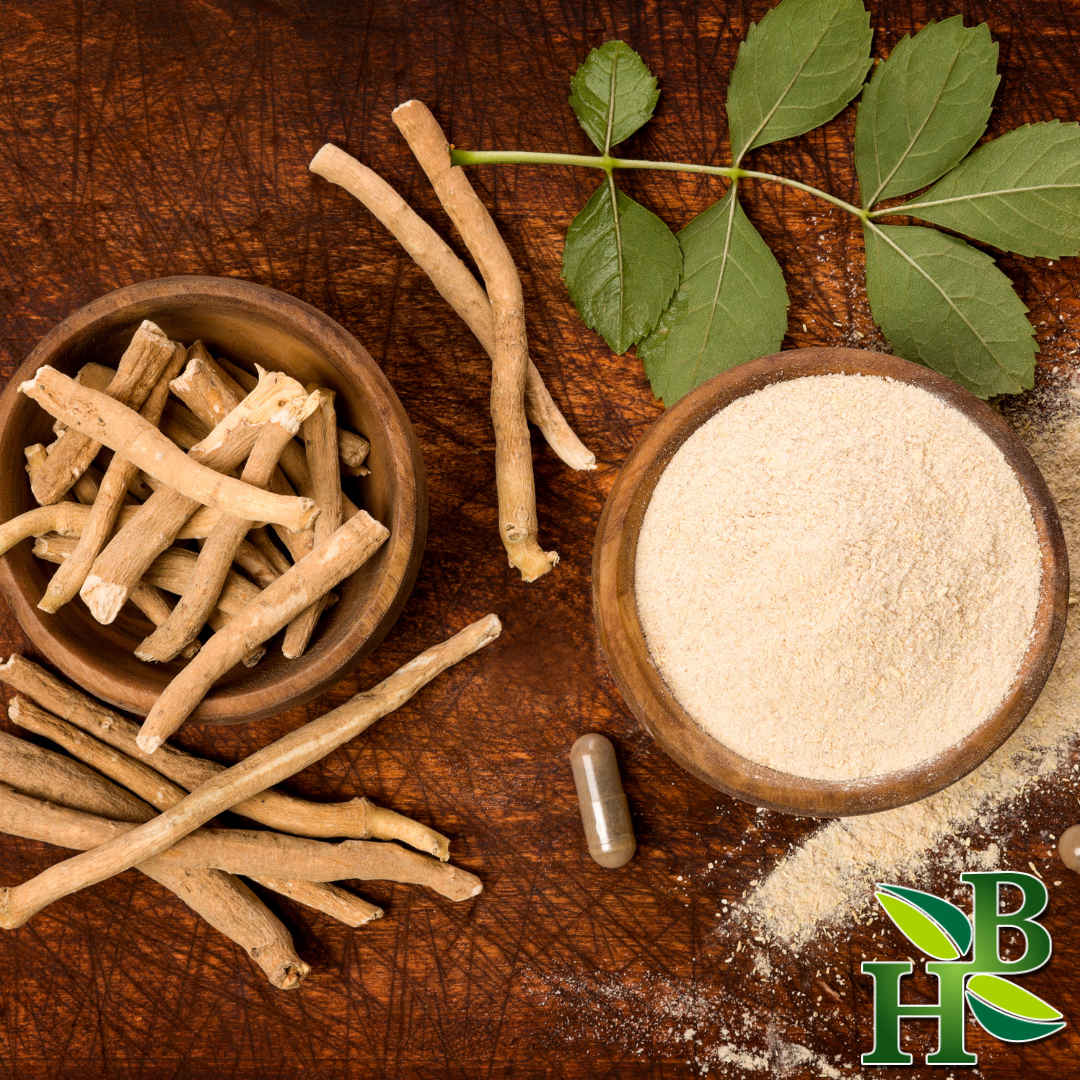
Habitat & Cultivation : Ashwagandha, a medicinal herb, is native to regions including India, the Mediterranean, and the Middle East. The propagation of ashwagandha is typically done through seeds or cuttings during the spring season. Harvesting of the leaves is commonly performed in spring, while the fruit and root are typically collected during the autumn season.
Key Constituents
- Alkaloids
- Steroidal lactones (withanolides)
- Iron
Key Actions
- Adaptogenic
- Tonic
- Mild sedative
Traditional & Current Uses
- Ashwagandha holds a significant place in Ayurveda, where it is highly valued for its tonic, strengthening, and relaxing properties. According to Robert Svoboda in “Ayurveda: Life, Health, and Longevity,” ashwagandha is recognized for its ability to clarify the mind, calm and strengthen the nerves, and promote sound and restful sleep.
- In contemporary times, ashwagandha remains highly prized as a tonic, appreciated for its unique combination of effects. Functioning as a tonic, it enhances and supports both physical and mental performance. Simultaneously, it has anxiety-relieving properties, and in line with its botanical name, it promotes improved sleep quality. Ashwagandha is considered an excellent herb for individuals in the convalescent stage, contributing to their recovery and overall well-being.
- Ashwagandha can serve as a beneficial addition to the treatment of chronic inflammatory conditions, including diseases like rheumatoid arthritis and psoriasis.
- Ashwagandha proves valuable in addressing the debility associated with long-term stress by reducing over-activity and promoting rest and relaxation.
- The high iron content in Ashwagandha makes it beneficial in cases of anemia.
ADDITIONAL INFORMATION
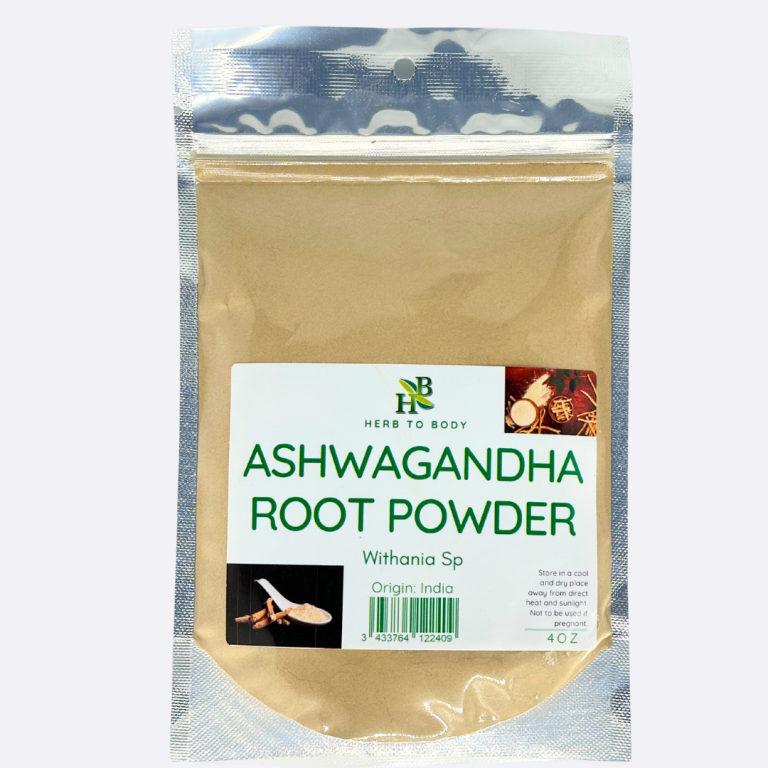
| Weight | 0.25 lbs |
|---|---|
| Dimensions | 9 × 4 × 4 in |
| Botanical Name | Withania Sp |
| Origin | India |
| Size | 1lb, 4oz |
| Use | Added to soups, stews and rice and vegetable dishes. |
| Processing | Powder |
| Active Compounds | Alkaloid, with anoloids—which are steroidal lactones, and iron. These compounds resemble ginseng, which is why it’s commonly known as Indian ginseng. |
Reviews
There are no reviews yet.