
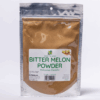
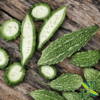
Description
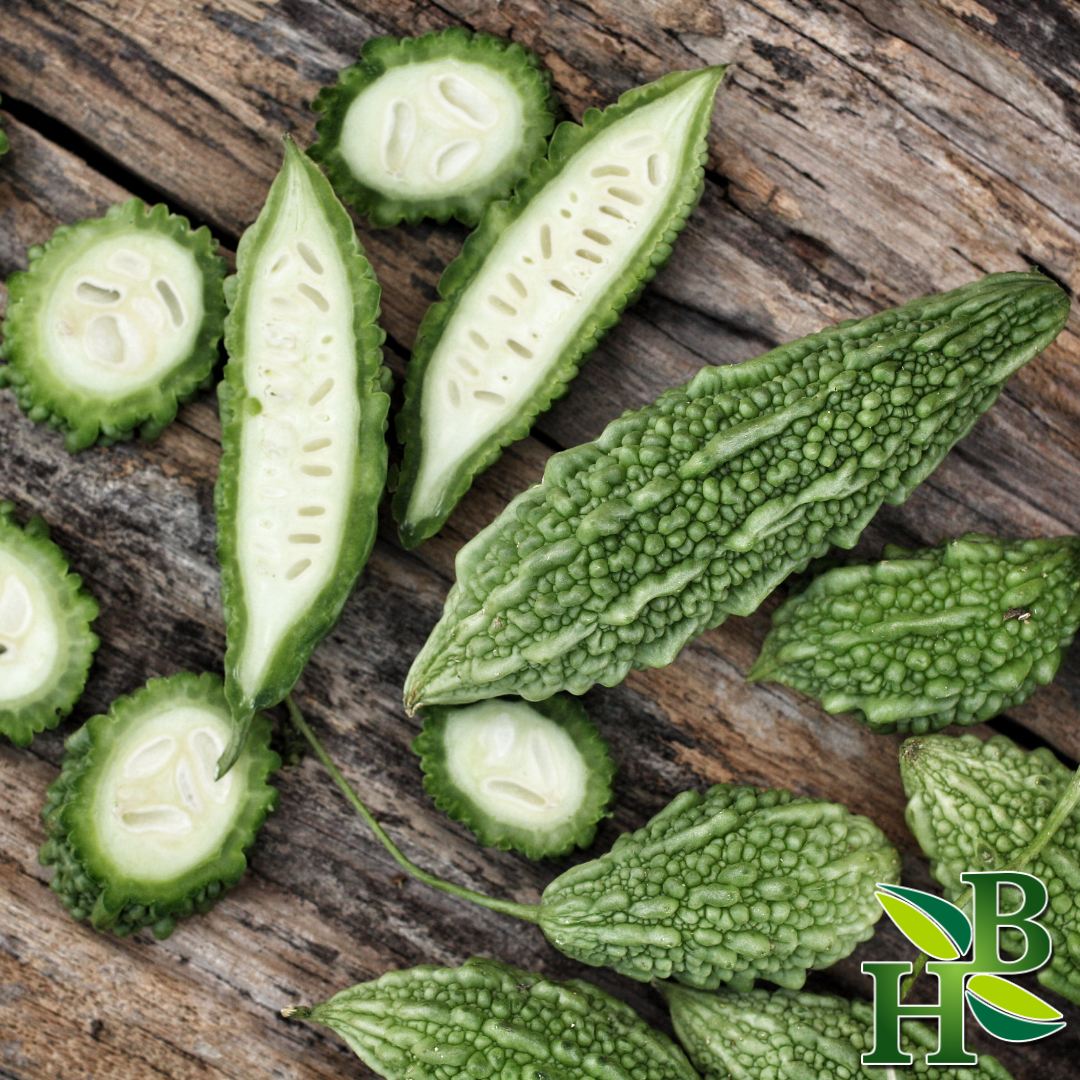
Habitat & Cultivation : Native to southern Asia, bitter melon is common throughout tropical regions of the world. It is harvested all year round.
Parts Used : Leaves, fruit, seeds, seed oil.
Constituents : Bitter melon contains a fixed oil, an insulin-like peptide, cucurbitacins, glycosides (mormordin and charantin), and an alkaloid (mormordicine). The peptide is known to lower sugar levels in the blood and urine.
History & Folklore : Bitter melon is traditionally taken in Asia, Africa and the Caribbean to treat the symptoms of diabetes.
Medicinal Actions & Uses : The unripe fruit is predominantly utilized for managing late-onset diabetes, whereas the ripe fruit functions as a stomach tonic and promotes menstruation. In Turkey, it is applied for the treatment of ulcers. In the West Indies, the fruit is widely employed to address concerns such as worms, urinary stones, and fever. Its juice is ingested as a purgative and suggested for relieving colic. Infusing the leaves is a common practice to tackle liver problems and colitis, and it can also be applied topically for certain skin conditions. Additionally, the seed oil is employed to aid in the healing of wounds.
Research : Bitter melon seeds demonstrate androgenic properties and have been investigated for their ability to inhibit sperm production, leading to their consideration as a contraceptive method in China during the 1980s. Research on laboratory animals with diabetes revealed that the fruit juice of bitter melon stimulates the regeneration of pancreatic cells responsible for insulin secretion. A significant body of evidence now supports the traditional use of bitter melon fruit juice in the treatment of non-insulin-dependent diabetes
ADDITIONAL INFORMATION
| Weight | 0.25 lbs |
|---|---|
| Dimensions | 9 × 4 × 4 in |
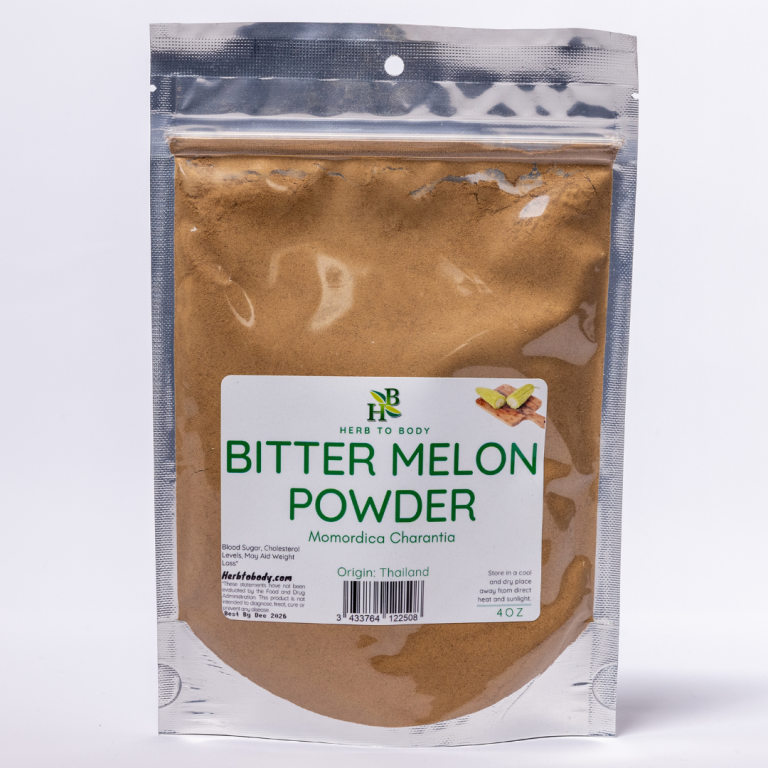
| Botanical Name | Momordica Charantia |
| Origin | Thailand |
| Size | 1lb, 4oz |
| Use | May be taken in warm water between meals. |
| Processing | Powder |
| Appearance & Aroma | Tan-to-brown in color without significant aroma. |
| Active compounds | Vitamins, minerals, protein, fiber, momordicin, charantin, cucurbitacin, momordicoside D. |
| Flavor profile | Pungent, bitter, astringent. Blend with other herbs to enhance flavor, such as ginger. |
| Storage tips | Store in a sealed container a cool, dry cabinet or pantry. |
| Safety | In moderation, bitter melon powder is safe for most people. However, large doses or long-term use may cause nausea and diarrhea. You should avoid this herb if you take insulin or diabetes medications, Compounds in bitter melon are known to increase the concentration and toxicity of P-gp substrate drugs and inhibit the metabolism of CYP450 substrate drugs. Check with your physician before using this herb if you are pregnant or nursing, or if you have a chronic disorder or take medications. |


Reviews
There are no reviews yet.