
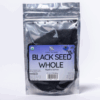
Description
Habitat & Cultivation : Indigenous to western Asia, black cumin is cultivated across Asia and the Mediterranean region both for its seeds and as an ornamental garden plant. The seeds are harvested when fully mature.
Parts Used : Seeds.
Constituents : The seeds contain 40% fixed oil, a saponin (melantin), alkaloids and up to 1.4% volatile oil.
History & Folklore : Black cumin was discovered in Tutankhamun’s tomb, yet its purpose in ancient Egypt remains unclear. Dioscorides, a Greek physician from the 1st century CE, documented the use of black cumin seeds for alleviating headaches, nasal catarrh, toothache, and addressing intestinal worms. In larger amounts, it was employed as a diuretic, to stimulate menstrual periods, and enhance breast-milk production.
Medicinal Actions & Uses : Like many culinary herbs, black cumin seeds are beneficial for the digestive system, soothing stomach pain and spasms and easing wind, bloating and colic. The seeds are also antiseptic and are used to treat intestinal worms, especially in children. Cumin seeds are much used in India to increase the production of breast-milk.
ADDITIONAL INFORMATION
| Weight | 0.25 lbs |
|---|---|
| Dimensions | 9 × 4 × 4 in |
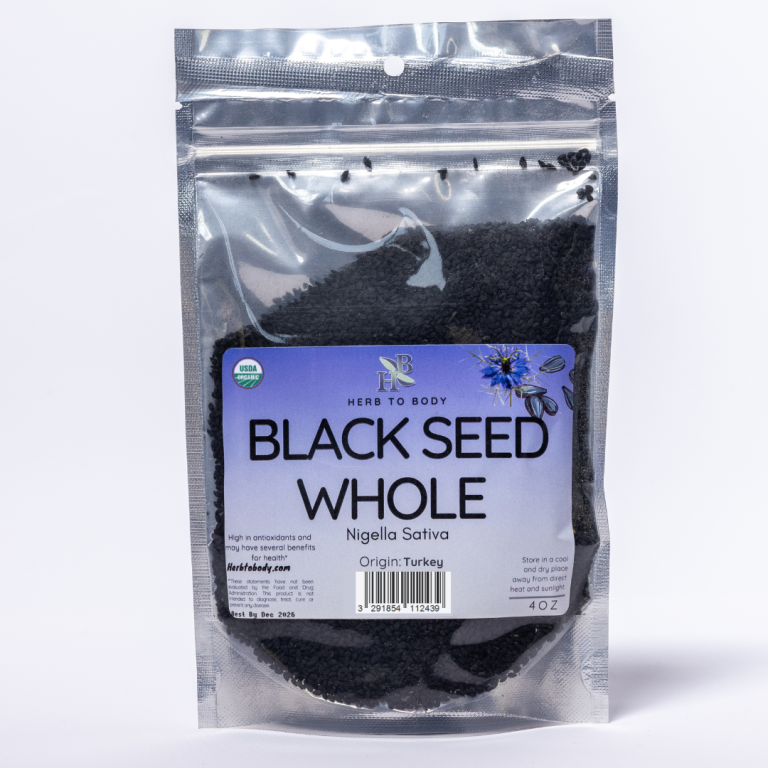
| Botanical Name | Nigella Sativa |
| Origin | Turkey |
| Size | 4oz |
| Use | Incorporate into recipes for a subtle nutty flavor and potential health benefits. |
| Processing | Whole |
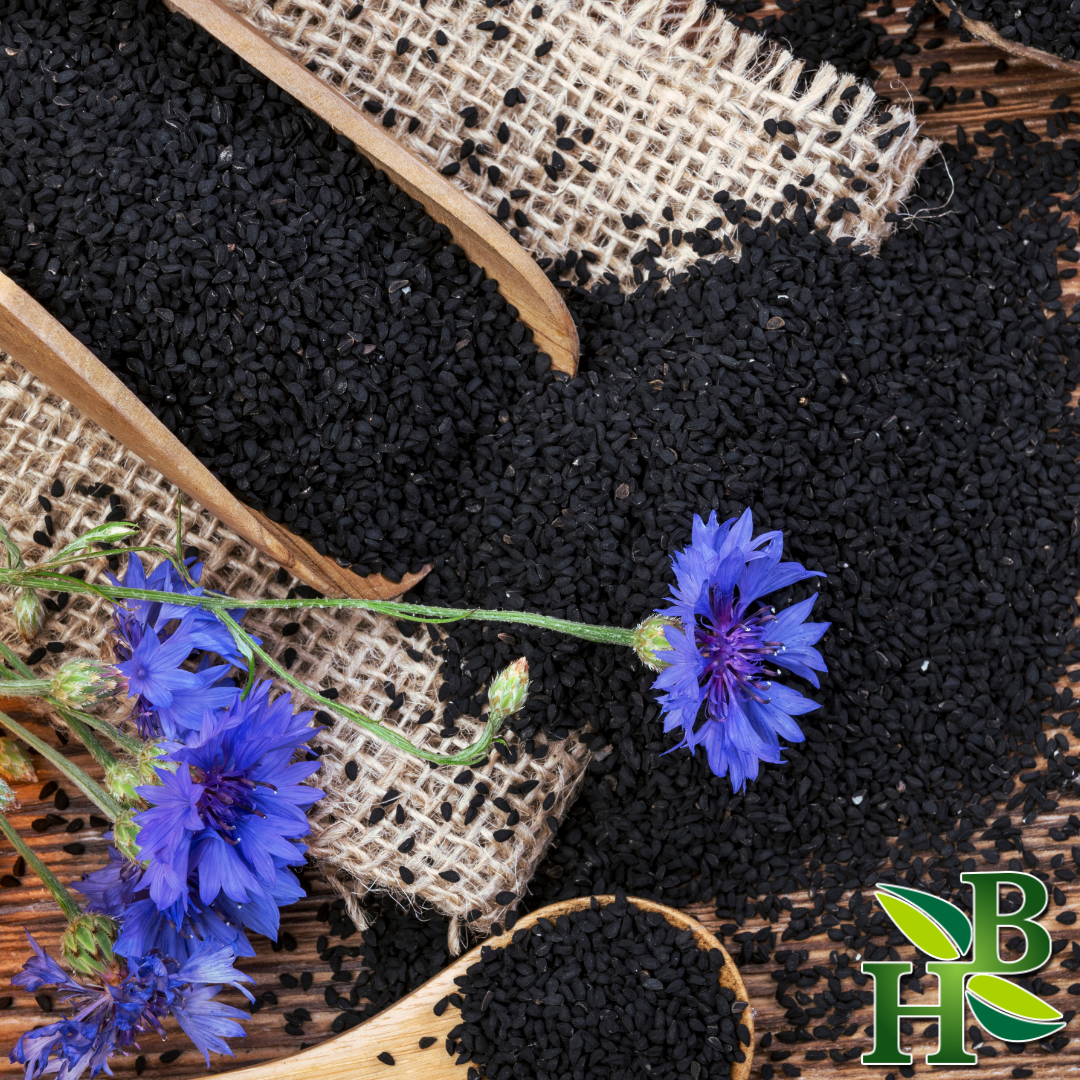
| Appearance & Aroma | Dark seeds with a sweet yet peppery fragrance. |
| Active compounds | Carvacrol, palmitic acid, linoleic acid, oleic acid, a-pinene, thymol, thymoquinone, nigellicine |
| Storage tips | Store in a tightly-sealed container away from direct light and humidity. |
| Safety | May increase serotonin levels and the effects of anticoagulants (blood thinners) if consumed in high dosages. |

Reviews
There are no reviews yet.