

Description
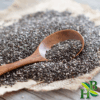
Chia seeds are small, nutrient-dense seeds derived from the Salvia hispanica plant, which is a member of the mint family. Here’s a broad description of whole chia seeds:
Nutritional Profile: Chia seeds are renowned for their exceptional nutritional content. They are rich in omega-3 fatty acids, particularly alpha-linolenic acid (ALA), which is beneficial for heart health. Chia seeds also contain protein, fiber, vitamins (such as B vitamins), and minerals (including calcium, phosphorus, and magnesium).
Omega-3 Fatty Acids: Chia seeds are one of the best plant-based sources of omega-3 fatty acids, which are essential for brain health, reducing inflammation, and supporting cardiovascular well-being.
Dietary Fiber: Chia seeds are an excellent source of dietary fiber, consisting of both soluble and insoluble fibers. This high fiber content contributes to feelings of fullness, aids in digestion, and helps regulate blood sugar levels.
Antioxidants: Chia seeds contain antioxidants, such as quercetin, chlorogenic acid, and caffeic acid, which can help combat oxidative stress in the body.
Hydration: Chia seeds have a unique ability to absorb liquid and can hold up to ten times their weight in water. When soaked, they form a gel-like consistency, making them useful in recipes like chia pudding and as a natural thickening agent.
Versatility in Culinary Uses: Chia seeds are versatile and can be easily incorporated into various dishes. They are commonly used in smoothies, yogurt, oatmeal, salads, and baked goods. When mixed with liquid, they develop a gel-like texture that can be used as an egg substitute in some recipes.
Gluten-Free and Plant-Based: Chia seeds are naturally gluten-free, making them suitable for individuals with gluten sensitivities or those following a gluten-free diet. They are also a popular choice for those on a plant-based or vegan diet.
Long Shelf Life: Chia seeds have a relatively long shelf life and do not require special storage conditions. They can be stored in a cool, dry place for an extended period without losing their nutritional value.
Satiety and Weight Management: Due to their high fiber and protein content, chia seeds may contribute to a feeling of fullness, potentially aiding in weight management and controlling appetite.
Ancient Superfood: Chia seeds have been consumed for centuries, with historical roots in the Aztec and Mayan cultures. The word “chia” itself is derived from the Aztec word for “strength.”
Adding chia seeds to your diet can be a simple and nutritious way to enhance overall well-being. As with any dietary addition, it’s essential to consume them as part of a balanced and varied diet.
ADDITIONAL INFORMATION
| Weight | 0.25 lbs |
|---|---|
| Dimensions | 9 × 4 × 4 in |
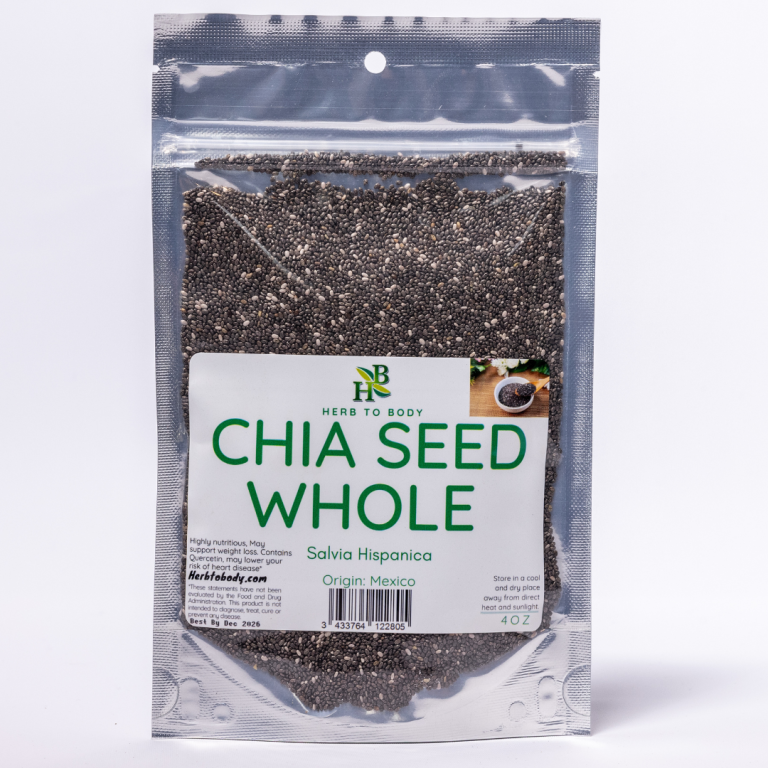
| Botanical Name | Salvia Hispanica |
| Origin | Mexico |
| Size | 1lb, 4oz |
| Use | Use to thicken foods, to make puddings, add directly to salads, soups and baked goods. The seeds can also be sprouted to produce microgreens for salads, sandwiches and wraps. |
| Processing | Whole |
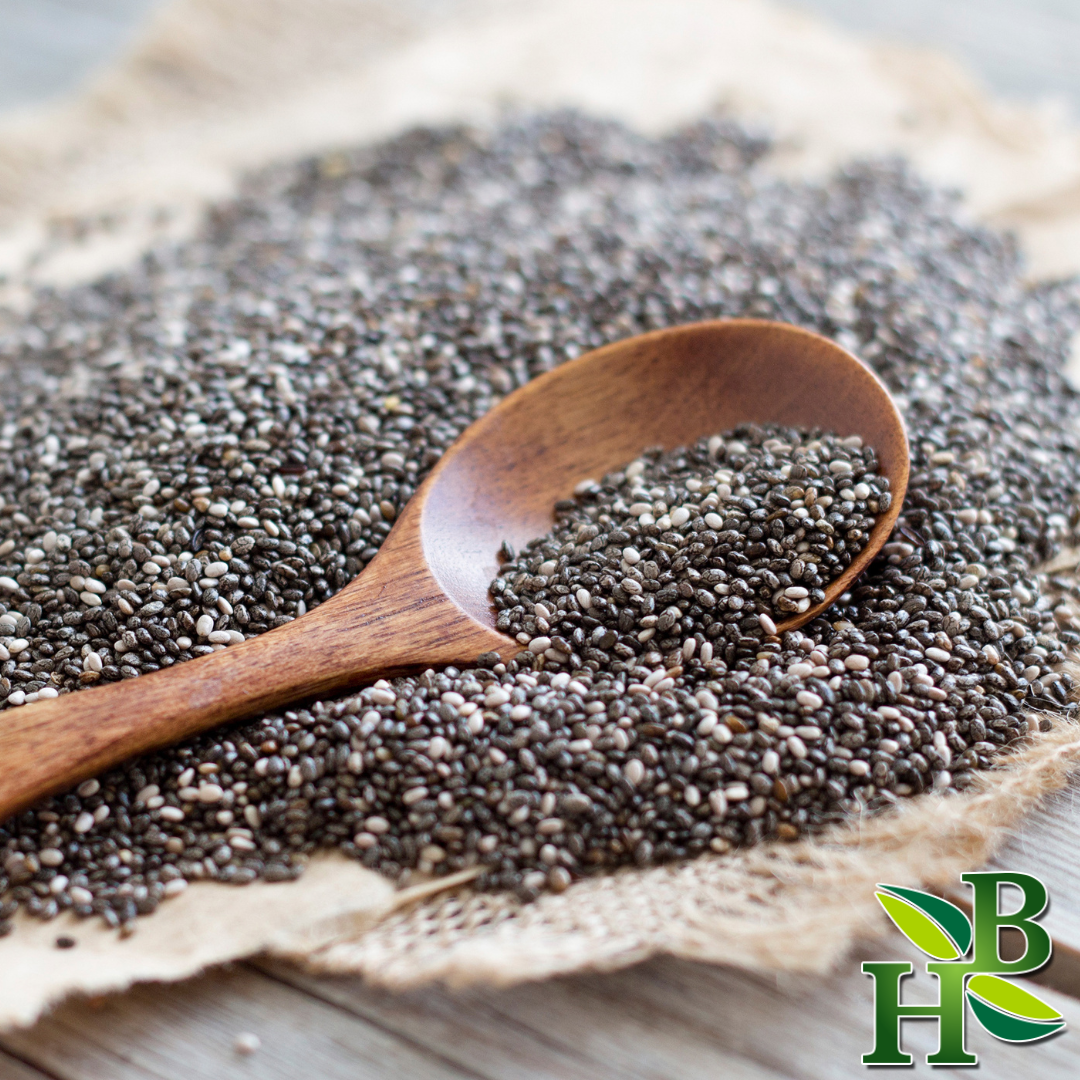
| Appearance & Aroma | The tiny seeds are grayish-brown, with no detectable aroma. |
| Constituents | linolenic acid, linoleic acid; antioxidants: chlorogenic and caffeic acids, myricetin, quercitin, and kaempferol flavonol. chlorogenic acid, caffeic acid and flavonol glycosides; mucin, fibre; 8 essential amino acids (score 115.) |
| Vitamins | A, B1, B2, B3, B5, B6, B15, B17, C, D, E, K, choline, folic acid, inositol, PABA |
| Minerals | boron, calcium, copper, iodine, iron, magnesium, manganese, molybdenum, phosphorous, potassium, silicon, sodium, strontium, sulphur, zinc, amylose (a slow-burning starch helpful in treating hypoglycemia), and electrolytes |
| Storage tips | Store in an airtight container away from heat, light and moisture. Chia seeds are very stable and can be easily stored without refrigeration. |

Reviews
There are no reviews yet.