
Description
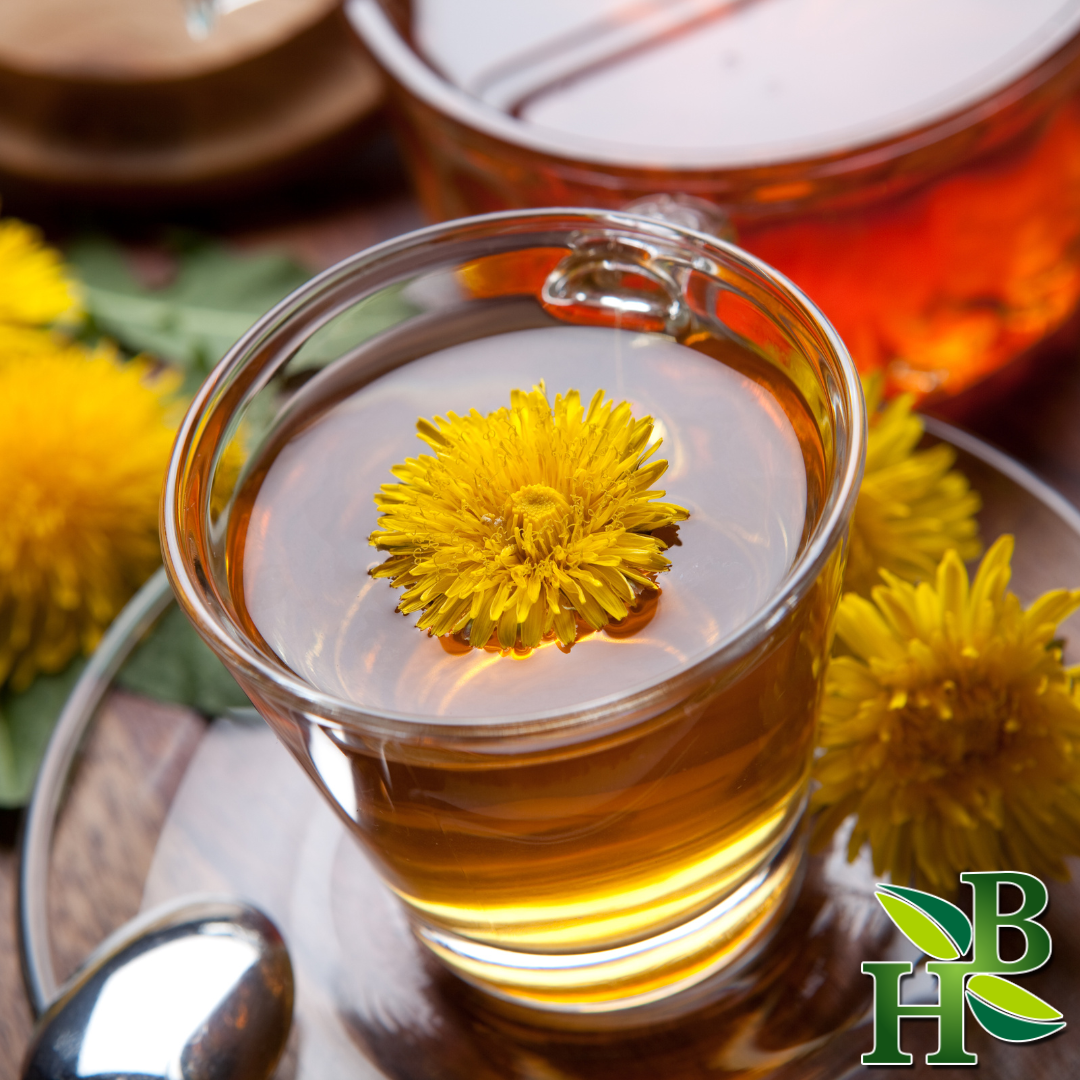
Habitat & Cultivation : Dandelion is a widespread wild plant found in most parts of the world and is also cultivated in countries like Germany and France. Propagation typically occurs from seed in the spring. Young leaves are harvested during the spring for use in tonic salads, and as the plant matures, it is utilized for medicinal purposes. The roots of 2-year-old plants are typically unearthed during the autumn for medicinal use.
Key Constituents
- Sesquiterpene lactones
- Triterpenes
- Polysaccharides
Leaf only:
- Coumarins
- Carotenoids
- Minerals (especially potassium)
Root only:
- Taraxacoside
- Phenolic acids
- Minerals (potassium, calcium)
Key Actions
- Diuretic
- Detoxifying
- Bitter
Research
- Leaves: Research published in the journal Planta Medica in 1974 validated that dandelion leaves exhibit potent diuretic properties, although the precise mechanism of action is not fully understood. Numerous other small-scale studies have also affirmed the diuretic, or more accurately, aquaretic effect of dandelion leaf. The term “aquaretic” emphasizes that many herbal diuretics primarily stimulate the elimination of water and potassium. Given that dandelion leaf contains high levels of potassium, it is believed that the intake of the leaf does not result in a net loss of this mineral.
- Root : A 2004 laboratory study reported dandelion root had marked anti-cancer activity. It significantly increased tumour necrosis factor and apoptosis (programmed cell death).
Traditional & Current Uses
- Diuretic : Dandelion leaf is used as a diuretic and treats high blood pressure by reducing the volume of fluid in the body.
- Detoxifying remedy : Dandelion root is recognized as a crucial detoxifying herb that gently stimulates the liver and gall bladder, enhancing their ability to eliminate waste products from the body. This detoxification action makes it valuable in addressing various health conditions associated with chronic toxicity, whether it is related to inflammation, infection, or factors such as diet and environment. The root is commonly used to treat conditions like constipation, skin problems such as eczema, and arthritic conditions. By improving the clearance of waste products, dandelion root can contribute to reducing local inflammation in these conditions.
- Other uses : Dandelion root exhibits prebiotic properties, promoting the well-being of gut flora. Traditionally, it has been employed in the initial stages of late-onset diabetes, as it stimulates insulin release from the pancreas and contributes to maintaining stable blood sugar levels. This historical use underscores the potential benefits of dandelion root in supporting metabolic health and glycemic control.
ADDITIONAL INFORMATION
| Weight | 0.4 lbs |
|---|---|
| Dimensions | 9.0 × 4.0 × 4.0 in |
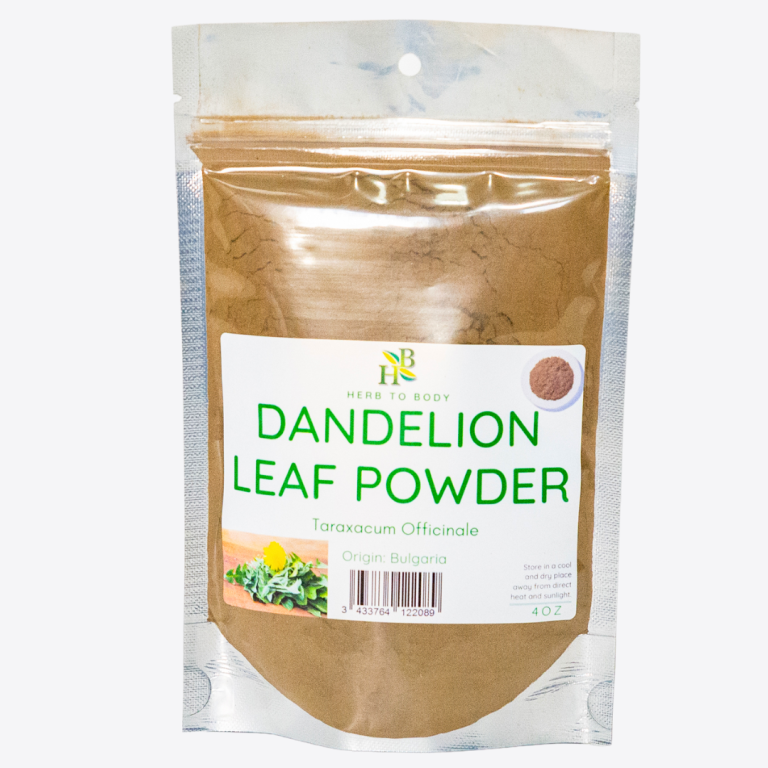
| Botanical Name | Taraxacum officinale |
| Origin | Bulgaria |
| Size | 1lb, 4oz |
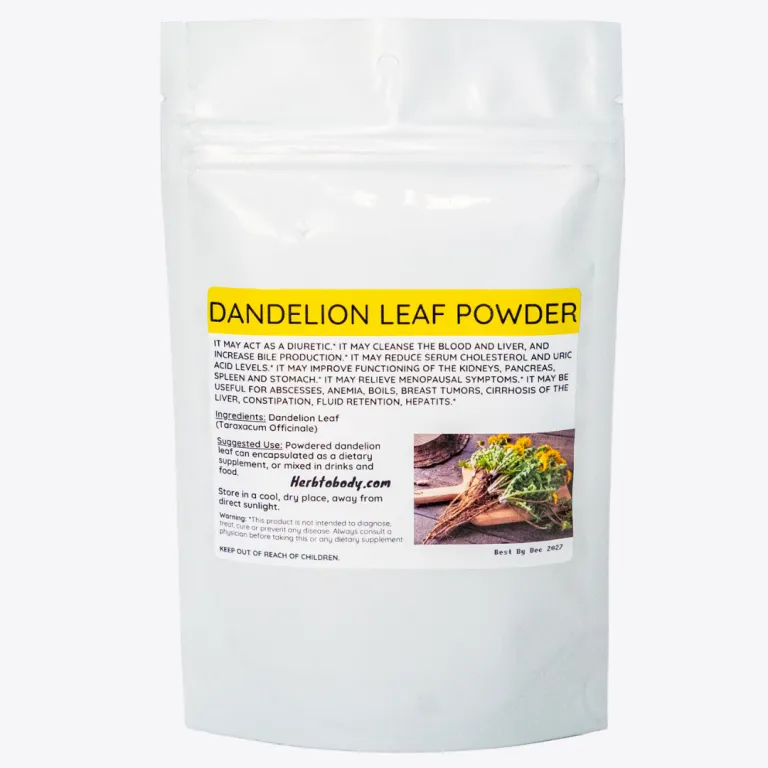
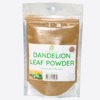
| Use | Powdered dandelion leaf can encapsulated as a dietary supplement, or mixed in drinks and food. |
| Processing | Powder |
| Appearance & Aroma | Light powder without significant aroma. |
| Active compounds | Triterpenes, Vitamins A, B, C, and D, Sesquiterpene lactones, Coumarins, Carotenoids, Potassium, Taraxacoside, Phenolic acids, Calcium. |
| Storage tips | Keep in an airtight container in a cool, dark place. |
| Safety | Check with your doctor before using if you take other medications, have a history of gallbladder disease or a known allergy to plants in the daisy family. |


Reviews
There are no reviews yet.