
Description
Habitat & Cultivation : Flaxseed, originally native to temperate zones in Europe and Asia, is now extensively cultivated in various temperate regions worldwide. This includes countries such as Canada and the US, Argentina, and northern Europe. The cultivation process typically involves planting flaxseed from seed in the spring and harvesting when the seeds are ripe, which occurs in late summer or early autumn. Flaxseed has gained popularity due to its nutritional benefits, particularly its rich content of omega-3 fatty acids and fiber.
Key Constituents
- Fixed oil (approximately 35%) mostly alpha-linolenic acid (omega-essential fatty acid)
- Protein (about 26%)
- Fibre (about 14%)
- Mucilage (about 12%)
- Sterols
- Lignans
Key Actions
- Demulcent
- Emollient
- Laxative
- Phytoestrogenic
- Anti-cancer
Research
- Omega-3 oils : Flaxseed stands out due to its exceptionally high levels of alpha-linolenic acid, which is an omega-3 polyunsaturated fatty acid, resembling those commonly found in fish oils. Research suggests that omega-3 oils, including alpha-linolenic acid, exhibit significant anti-inflammatory activity. These oils also contribute to the protection of heart and circulation health, helping to reduce heart irregularities. It’s interesting to note that, in the case of flaxseed, the seed itself, rather than just the extracted oil, is known to help lower cholesterol levels, making it a valuable dietary addition for heart health.
- Anti-cancer : PSA levels (used to measure prostate cancer risk) and thus is thought to protect against prostate cancer. While promising, it’s important to note that research on the potential benefits of ground flaxseed against cancer is ongoing, and individual responses may vary. As with any dietary changes or supplements, it’s advisable for individuals to consult with healthcare professionals for personalized advice, especially for those with specific health concerns or conditions.
Traditional & Current Uses
- Laxative : Flaxseed has traditionally been employed primarily as a bulk laxative, particularly beneficial in cases of chronic constipation. The seeds have the ability to absorb fluid in the gut, aiding in softening the stool and promoting easier bowel movements. It’s recommended to consume flaxseeds with approximately five times their volume of water to optimize their effectiveness. Moreover, flaxseeds, with their substantial mucilage content, offer soothing and anti-inflammatory properties. This makes them valuable in reducing irritation and inflammation in the gastrointestinal tract, potentially benefiting conditions such as colitis, irritable bowel syndrome (IBS), and hemorrhoids. The dual action of providing bulk for regular bowel function and soothing irritated tissues contributes to the versatile use of flaxseed for digestive health. As with any dietary recommendations, it’s advisable for individuals to consult with healthcare professionals, especially for those with specific health concerns.
- Respiratory & urinary disorders : The seeds, which need to be split or ground up before being swallowed, soothe the chest and, to a lesser extent, the urinary tract. They have proved helpful in chronic or paroxysmal coughs, bronchitis and emphysema, and in urinary troubles such as chronic cystitis.
- External uses : Indeed, flaxseeds have been traditionally used in poultices to address painful or tender boils and carbuncles. The crushed seeds or flaxseed flour, when applied as a poultice, have the ability to soften the skin and aid in drawing out purulent material from these skin conditions. Additionally, a Portuguese remedy suggests combining flaxseed oil with red wine to create an effective topical application for wounds. This blend may possess properties that contribute to wound healing and skin health. However, it’s important to note that while these traditional uses exist, seeking guidance from healthcare professionals is advisable for proper wound care and personalized recommendations.
- Menopause : Adding flaxseed to the diet can support ostrogen balance at the menopause and reduce associated symptoms. Flax and other seeds can be made into a “menopause” cake.
ADDITIONAL INFORMATION
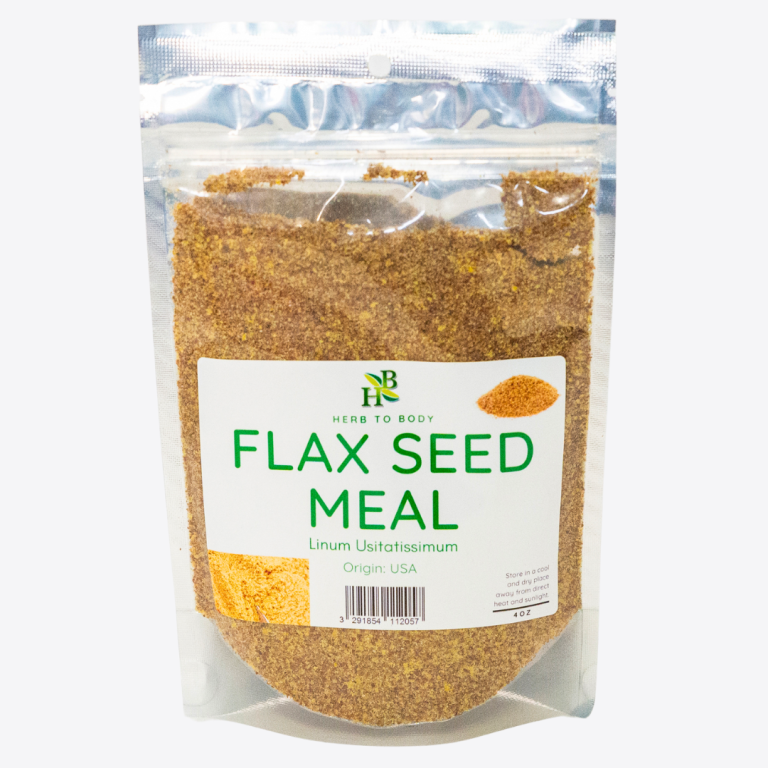
| Botanical Name | Linum usitatissimum |
|---|---|
| Origin | USA |
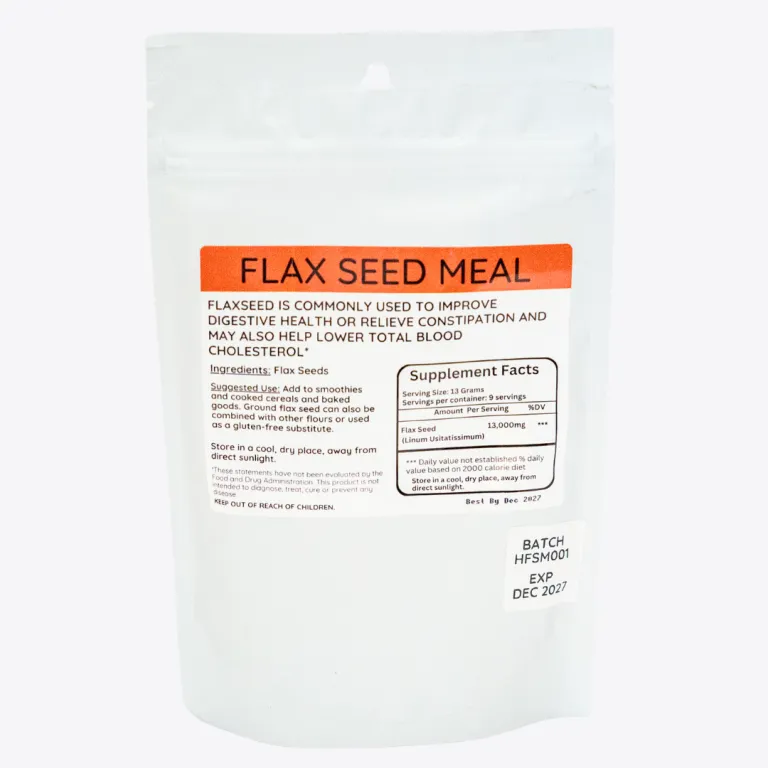
| Use | Add to smoothies and cooked cereals and baked goods. Ground flax seed can also be combined with other flours or used as a gluten-free substitute. |
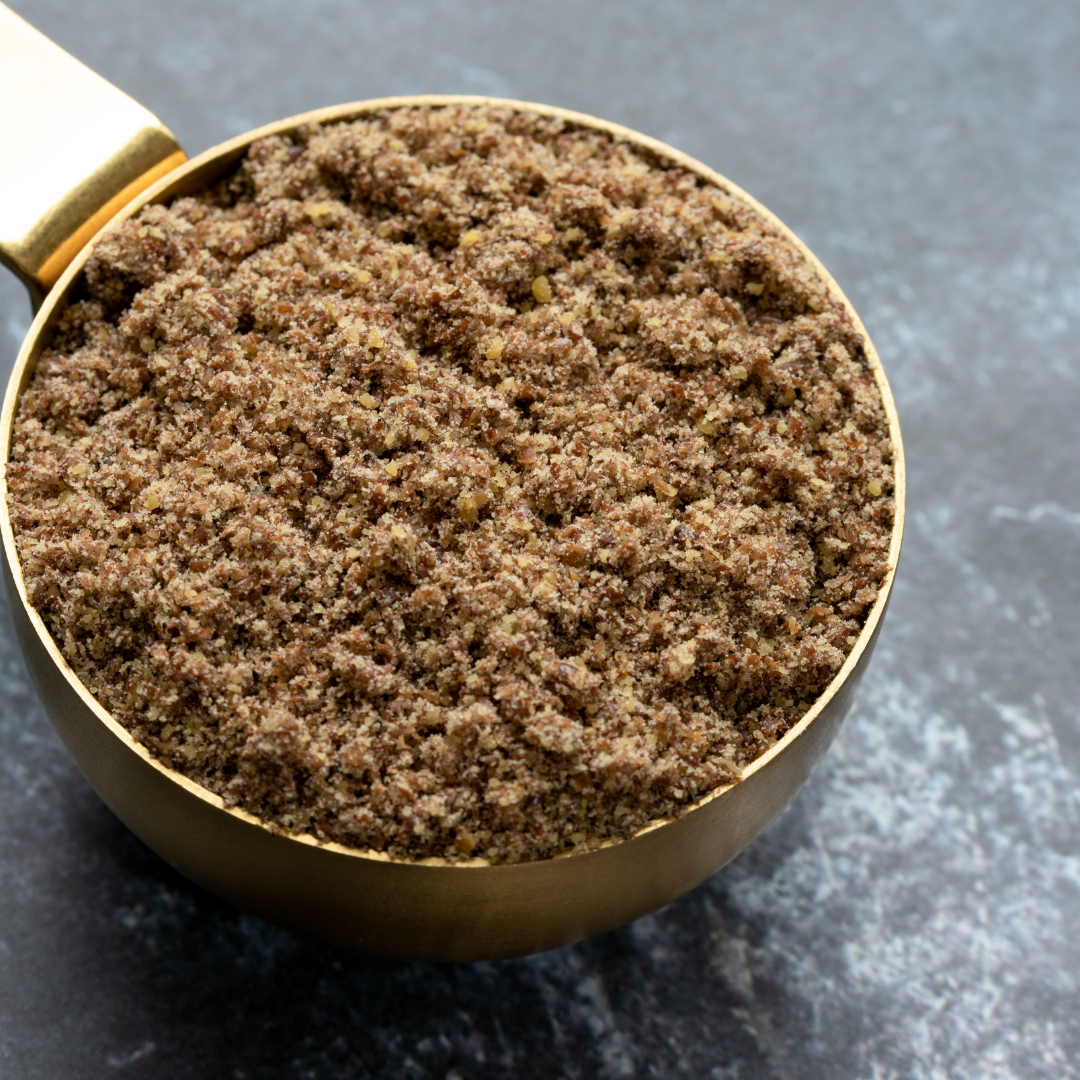
| appearance & aroma | Golden meal, mild nutty aroma. |
| constituents | linolenic acid, linoleic acid, linamarin, protein |
| plant part used | seed |
| processing | powder |
| storage tips | Store in an airtight container away from heat, light and moisture. For maximum freshness and extended shelf-life, store in the refrigerator or freezer. |

Reviews
There are no reviews yet.