
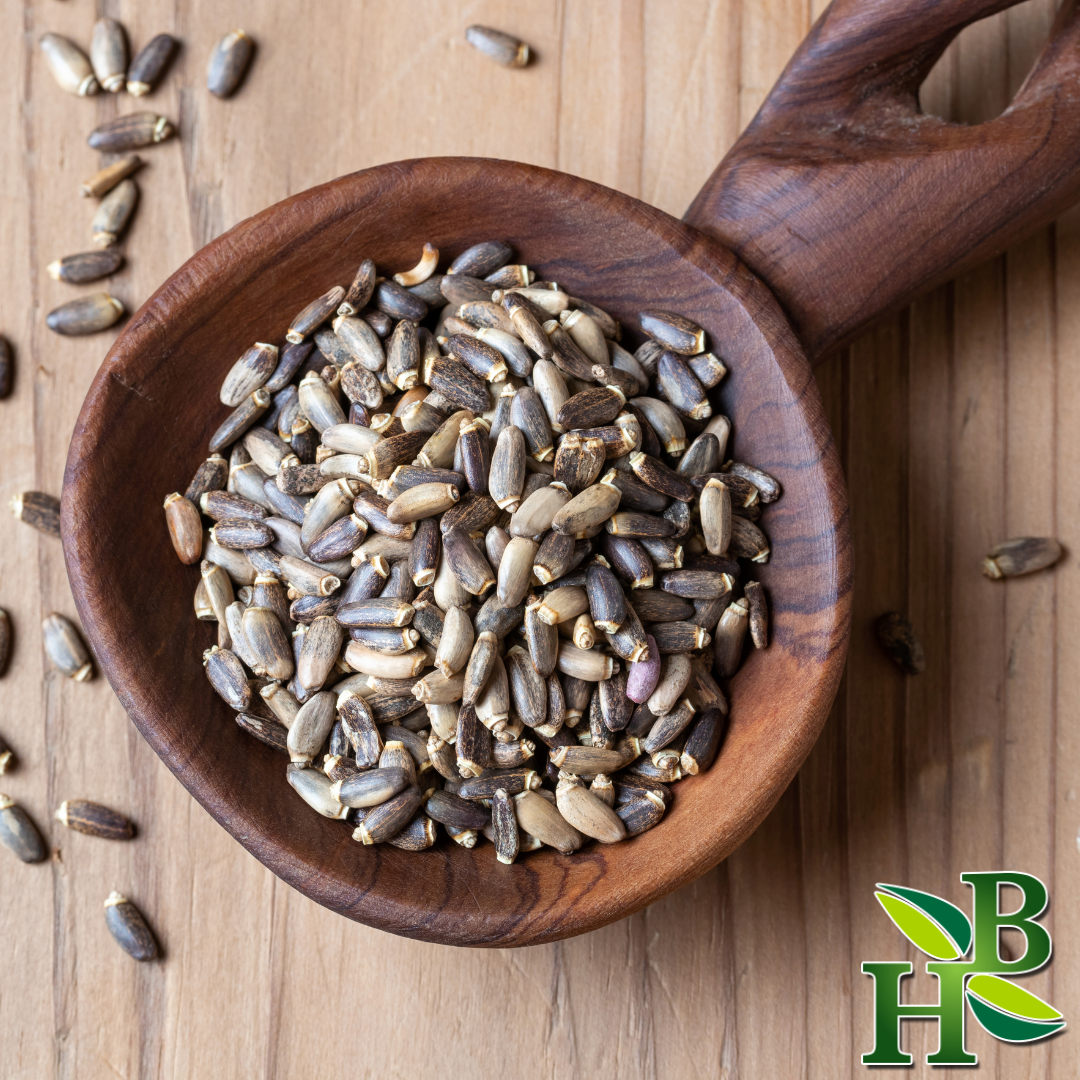
Description
Habitat & Cultivation : Indigenous to the Mediterranean region, milk thistle is prevalent across Europe but is infrequently found in Britain. Flourishing in the wild, particularly on wasteground, it is also intentionally cultivated for ornamental purposes. Milk thistle thrives in sunny locations and tends to self-seed easily. The flowerheads are harvested when in full bloom during early summer, while the seeds are collected later in the summer.
Key Constituents
- Flavonlignans (1-4%)(known collectively as “silymarin”)
- Bitter principles
- Polyacetylenes
Key Actions
- Liver protective
- Chemoprotective
- Anti-cancer
- Anti-allergenic
- Increases breast-milk production
Research
- Silymarin : German research since the 1970s has concentrated on silymarin, a compound found in milk thistle seeds. Silymarin demonstrates a potent protective effect on the liver, preserving its functionality and shielding it from harm caused by substances that are typically highly toxic. Studies have indicated that silymarin can prevent severe liver breakdown induced by the ingestion of carbon tetrachloride or death cap mushrooms if taken immediately before or within 48 hours. In Germany, silymarin has been effectively employed in the treatment of hepatitis and liver cirrhosis.
- Other research : Multiple clinical trials have demonstrated that silymarin extracts play a protective role in maintaining liver function for individuals undergoing cancer chemotherapy. This includes trials involving children with leukemia. Current research suggests that silymarin extracts contribute to maintaining healthy liver function during chemotherapy without diminishing the efficacy of chemotherapy drugs. Laboratory studies also highlight the substantial anti-cancer properties of silymarin, particularly silybin. In a 2011 clinical trial conducted in Iran, individuals with allergic rhinitis reported significantly fewer symptoms when using a silymarin extract.
Traditional & Current Uses
- Traditional uses : The flowerheads of milk thistle, when boiled and consumed similar to artichokes, served as a valuable spring tonic after the winter months when fresh vegetables were scarce. Additionally, they were consumed to enhance breast-milk production and were regarded as beneficial for melancholia (depression), a condition traditionally linked to the liver. In his Herball of 1597, Gerard expressed his belief, stating, “My opinion is that this [milk thistle] is the best remedy that grows against all melancholy diseases.”
- Liver disorders : In contemporary Western herbal medicine, milk thistle stands as the primary remedy employed to safeguard the liver and support its diverse metabolic functions while aiding in the renewal of its cells. This herb finds application in the treatment of hepatitis and jaundice, as well as in situations where the liver is subjected to stress, be it from infection, excessive alcohol consumption, or the effects of chemotherapy.
ADDITIONAL INFORMATION
| Weight | 0.25 lbs |
|---|---|
| Dimensions | 9 × 4 × 4 in |
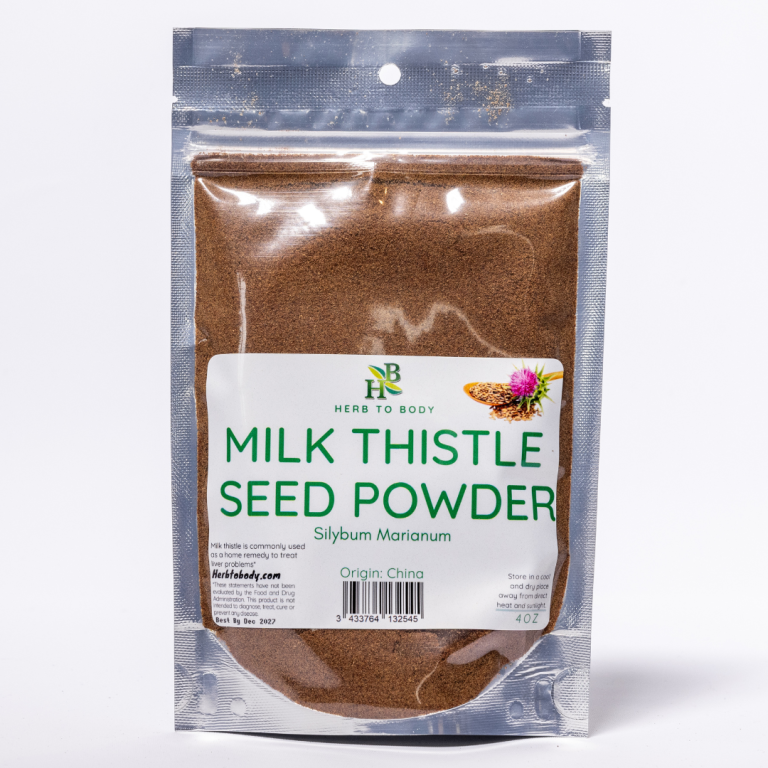
| Botanical Name | Silybum marianum |
| Origin | China |
| Size | 1lb, 4oz |
| Use | Sprinkle directly into foods, such as smoothies, hot cereals, soups and stews. The powder may also be encapsulated. |
| Processing | Powder |
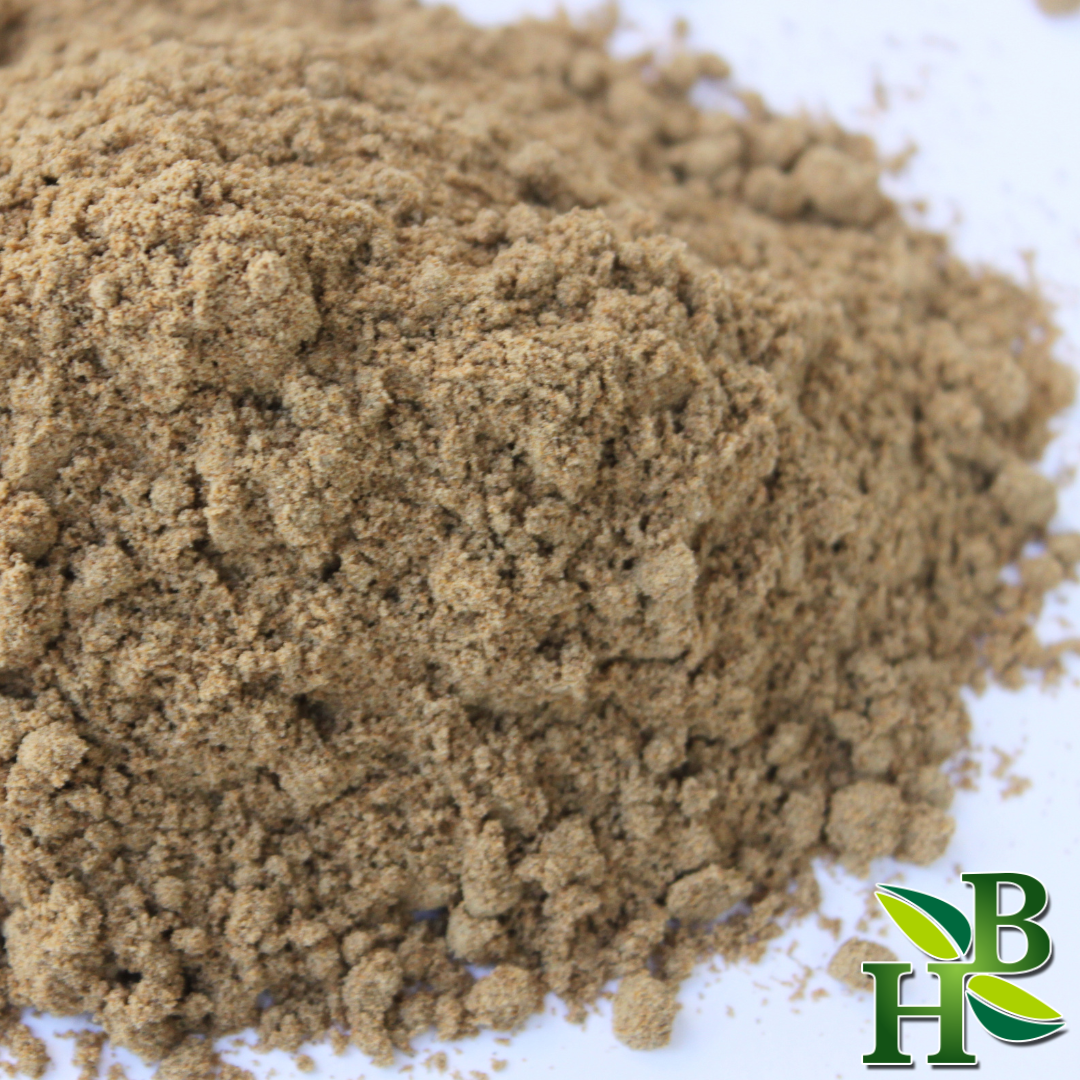
| Appearance & Aroma | Light powder without significant aroma. |
| Active compounds | Silymarin |
| Storage tips | Store in a tightly sealed container in a cool, dark cabinet. |
| Safety | May cause stomach upset and/or diarrhea. This herb should not be used during pregnancy or if there is a history of liver, gallbladder or kidney disease. Do not use milk thistle products if you take other medicines without first consulting your physician because compounds in this herb may interfere with the absorption of pharmaceutical medications metabolized the liver enzyme CYP3A4. |


Reviews
There are no reviews yet.