
Description
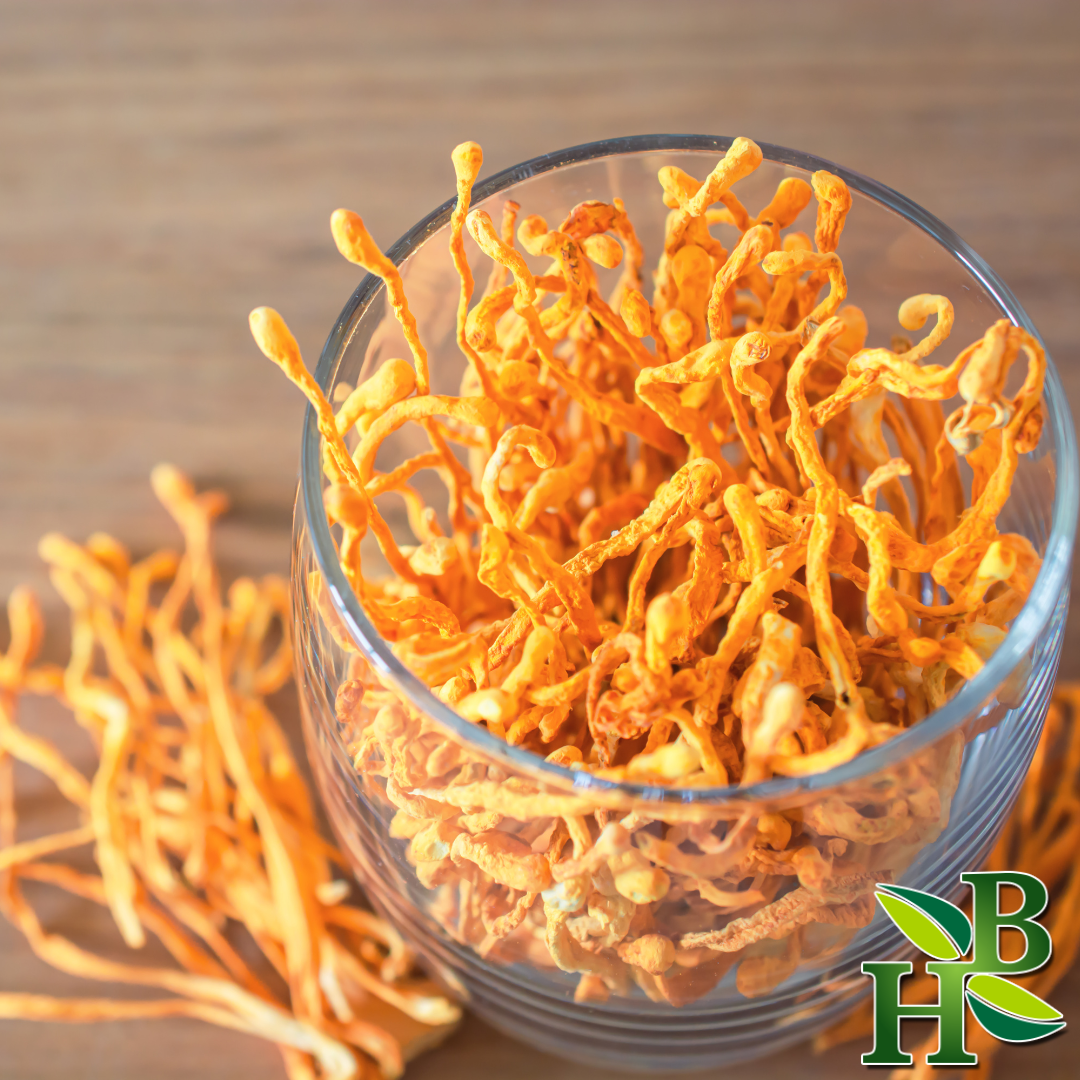
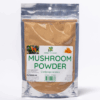
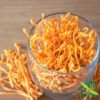
Cordyceps, although not a true mushroom, belongs to the family of closely related parasitic fungi. Despite its distinct classification, ancient Chinese and Tibetan medical texts have historically recognized it as a medicinal mushroom. Consequently, contemporary medical literature often retains the term “mushroom” when referring to Cordyceps, a convention also adopted by many modern herbalists in casual discussions. The nomenclature of the fungus is derived from the Greek words “kordýlē” and “cephali,” meaning “club” and “head” respectively, reflecting its appearance and growth pattern as it emerges from its subterranean host.
ADDITIONAL INFORMATION
| Weight | 0.25 lbs |
|---|---|
| Dimensions | 9 × 4 × 4 in |
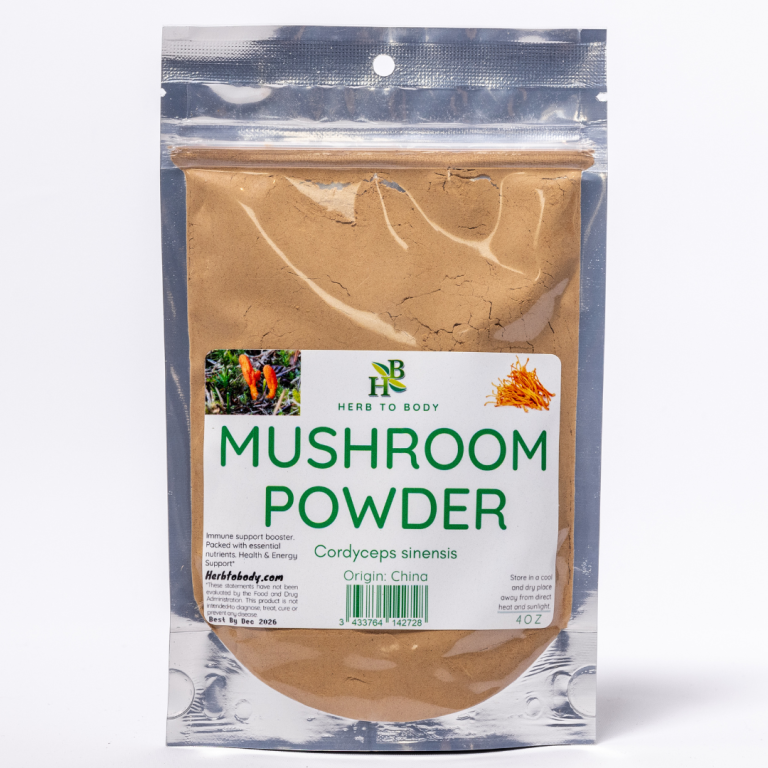
| Botanical Name | Cordyceps sinensis |
| Origin | China |
| Size | 4oz |
| Use | Sprinkle Cordycep powder into broths, soups, and stews to enhance umami. The powder can also be blended into protein shakes and smoothies. |
| Processing | Powder |
| Appearance & Aroma | Fine powder with an earthy, nutty aroma. |
| Active compounds | Nucleosides, sterols, flavonoids, cyclic peptides, phenolic, bioxanthracenes, polyketides, alkaloids. |
| Flavor profile | Slightly bitter with a flavor similar to unsweetened cacao. |
| Storage tips | Store in a cool, dry place in a sealed container. |
| Safety | Cordyceps extract powder is generally safe but may cause gastrointestinal distress in some people. This herb may interact with blood thinners and drugs that suppress the immune system. This herb should bot be used during pregnancy or by those with a bleeding disorder, diabetes or cancer. |

Reviews
There are no reviews yet.