

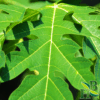
Description
Habitat & Cultivation : Native to tropical America, papaya is now cultivated in tropical regions throughout the world.
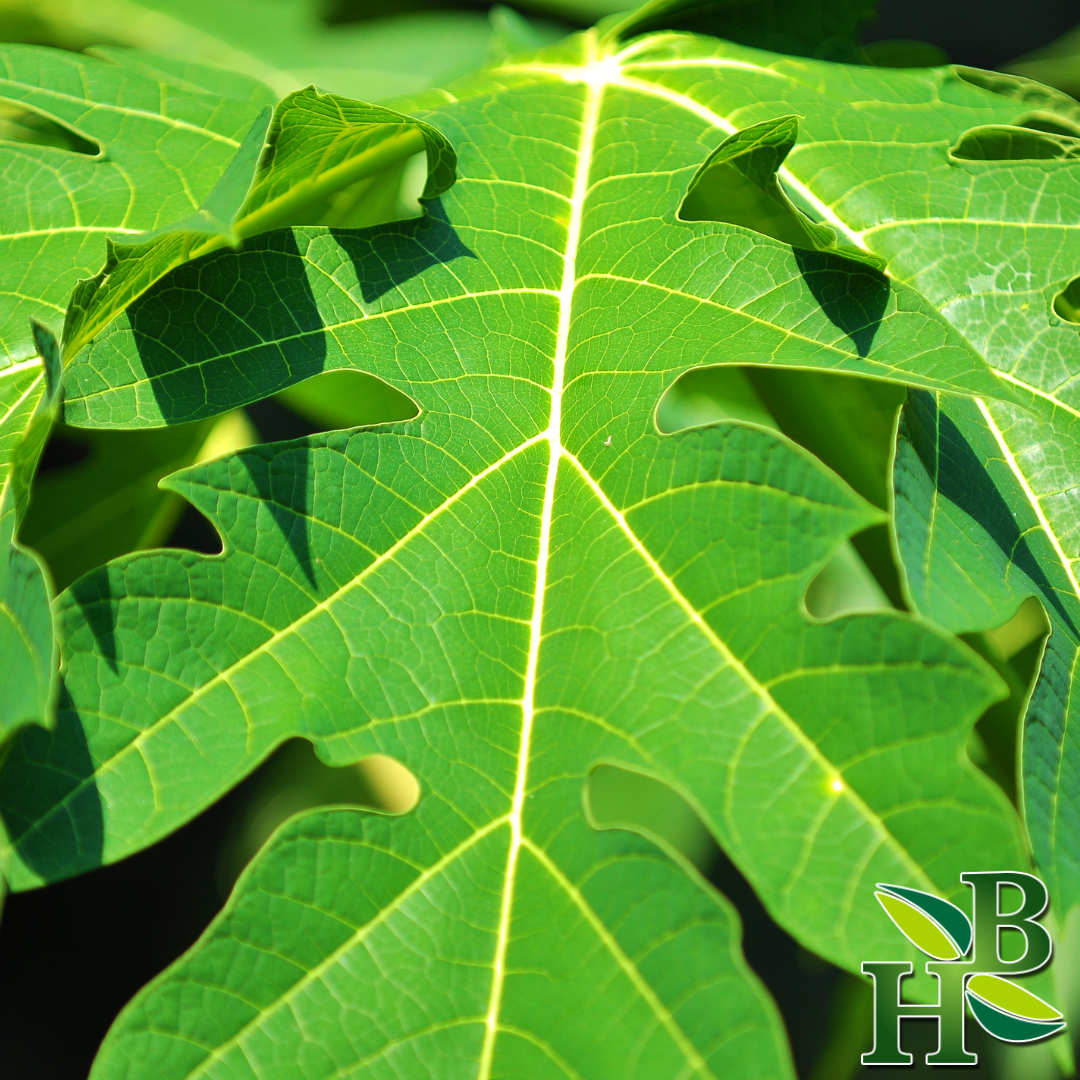
Parts Used : Fruit, latex, leaves, flowers, seeds.
Constituents : The fruit contains proteolytic enzymes (papain and chymopapain), and traces of an alkaloid, carpaine. Papain, which is found in the milky white latex that flows from incisions in the unripe fruit, is a protein-dissolving enzyme that aids digestion.
History & Folklore : Mayan herbal medicine utilized papaya juice, shoots, and latex. In the tropical regions of Latin America, the leaves are employed as a natural meat tenderizer.
Medicinal Actions & Uses : Papaya is primarily utilized for its digestive properties. Both the leaves and the fruit, especially when unripe, can serve this purpose effectively. The latex extracted from the trunk of the tree is externally applied to accelerate the healing process for wounds, ulcers, boils, warts, and cancerous tumors. Papaya seeds are employed as a mild purgative for expelling worms, while the latex has a similar but more potent effect. Infusions of papaya flowers may be taken to stimulate menstruation, and a decoction of ripe fruit proves beneficial in treating persistent diarrhea and dysentery in children. Additionally, the ripe fruit has a mild laxative effect, and the leaves are utilized for dressing wounds.
ADDITIONAL INFORMATION
| Weight | 0.25 lbs |
|---|---|
| Dimensions | 9 × 4 × 4 in |
| Botanical Name | Carica papaya |
| Origin | India |
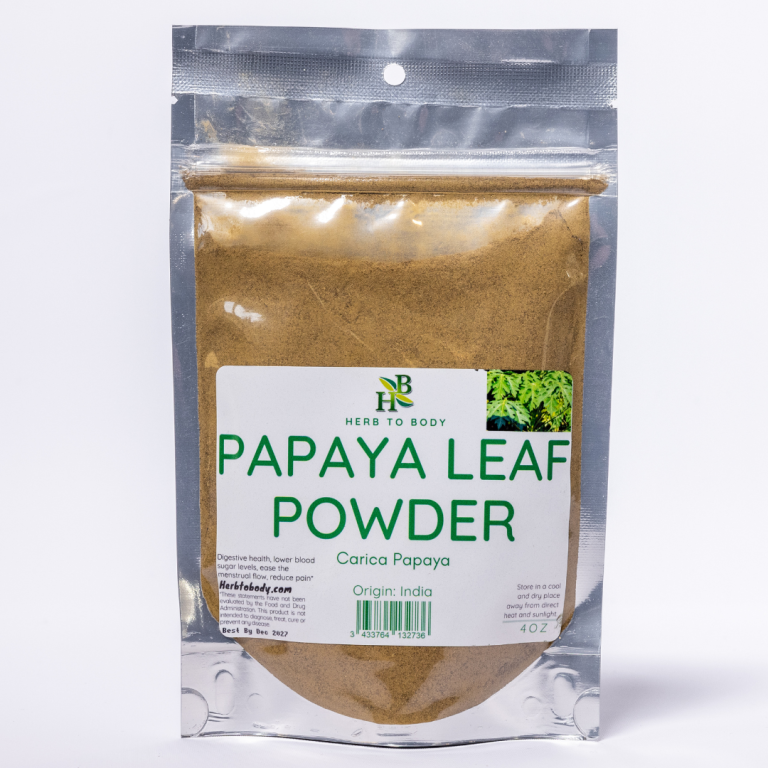
| Size | 4oz |
| Use | Use in tea blends or encapsulate as a dietary supplement. |
| Processing | Powder |
| Appearance & Aroma | Powder with a pleasant aroma. |
| Storage tips | Keep in a tightly-sealed container in a cool, dark cabinet. |
| Industrial | Papaya leaf is a source of papain, which is used as a meat tenderizer, to clarify beer and to process natural silk and wool. |


Reviews
There are no reviews yet.