
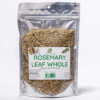

Description
Habitat & Cultivation : Originating from the Mediterranean region, rosemary thrives abundantly in many parts of southern Europe and is cultivated globally. The plant is typically propagated through either seeds or cuttings during the spring season, favoring a warm and moderately dry climate along with a sheltered location. Harvesting is done in the summer post-flowering, with the branches collected and dried in shaded areas.
Key Constituents
- Volatile oil (1-2%) containing borneol, camphene, camphor, cineole
- Flavonoids (apigenin, diosmin)
- Tannins
- Rosmarinic acid
- Diterpenes (including carnosic acid and carnosol)
Key Actions
- Tonic
- Stimulant
- Astringent
- Nervine
- Anti-inflammatory
- Antioxidant
Research
- General circulation : A research paper published in Phytotherapy Research revealed that rosemary demonstrated anti-inflammatory and protective properties on the inner lining of blood vessels in young adults. This study contributes to the knowledge that various active compounds present in rosemary contribute to maintaining a healthy circulatory system. Additionally, a modest clinical trial conducted in Germany in 2006, aligning with traditional practices, determined that rosemary increased blood pressure in individuals with low blood pressure. Participants who took rosemary also reported an overall improvement in their well-being by the end of the trial.
- Other actions : In a Japanese laboratory study conducted in 2003, it was discovered that certain diterpenes found in rosemary, namely carnosic acid and carnosol, exhibited a robust stimulation of nerve growth factor. This suggests a potential for rosemary to promote nerve repair. Furthermore, a review published in Cancer Letters in 2015 highlighted the promising outcomes of anti-cancer activity associated with these constituents.
Traditional & Current Uses
- Circulatory stimulant : Rosemary holds a prominent role in European herbal medicine, serving as a warming and tonic remedy that enhances blood circulation throughout the body, particularly beneficial for individuals with low blood pressure. Believed to boost blood flow to the head, it is associated with potential improvements in memory and concentration. Additionally, rosemary is taken for alleviating migraines and headaches, as well as promoting hair growth and overall hair health.
- Poor circulation : Thought to raise low blood pressure, the herb is valuable for fainting and weakness associated with deficient circulation.
- Restorative : Rosemary is believed to support the recovery process from prolonged stress and chronic illnesses. It is thought to have a stimulating effect on the adrenal glands and is employed specifically for conditions of debility, particularly when coupled with issues of poor circulation and digestion.
- Uplifting herb : Rosemary is often prescribed for people who are stressed and “failing to thrive”. Valued as a herb that raises the spirits, it is useful for mild to moderate depression.
- Other uses : When utilized as a lotion or in the form of diluted essential oil, rosemary provides relief for sore and rheumatic muscles. Incorporating the infusion or essential oil into bathwater offers a rejuvenating soak. Additionally, for mild to moderate depression, it is considered beneficial for uplifting spirits.
ADDITIONAL INFORMATION
| Weight | 0.25 lbs |
|---|---|
| Dimensions | 9 × 4 × 4 in |
| Botanical Name | Rosmarinus officinales |
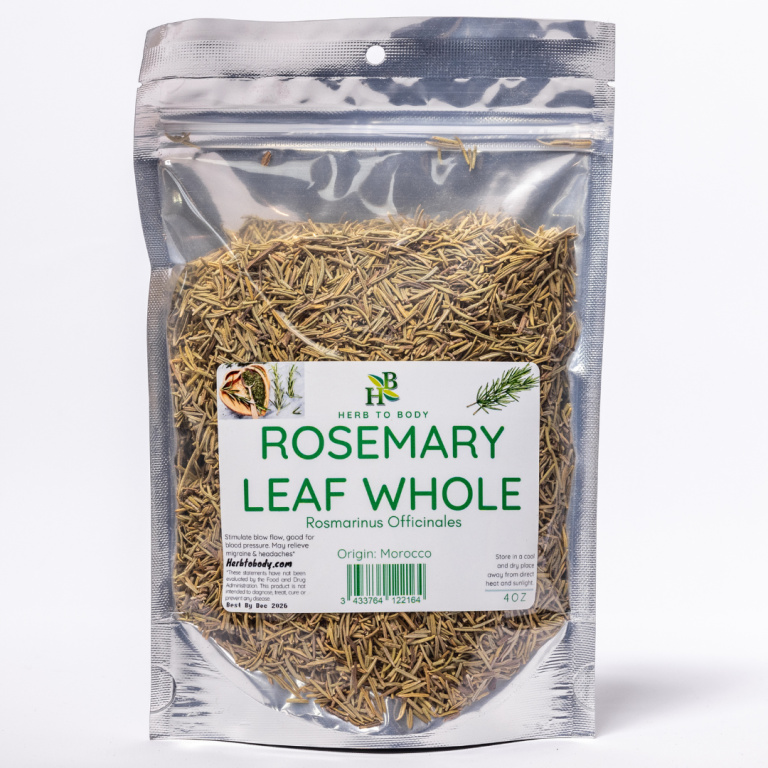
| Origin | Morocco |
| Size | 4oz |
| Use | Experiment with whole rosemary leaves in different cuisines to add a distinctive flavor to your meals. |
| Processing | Whole |
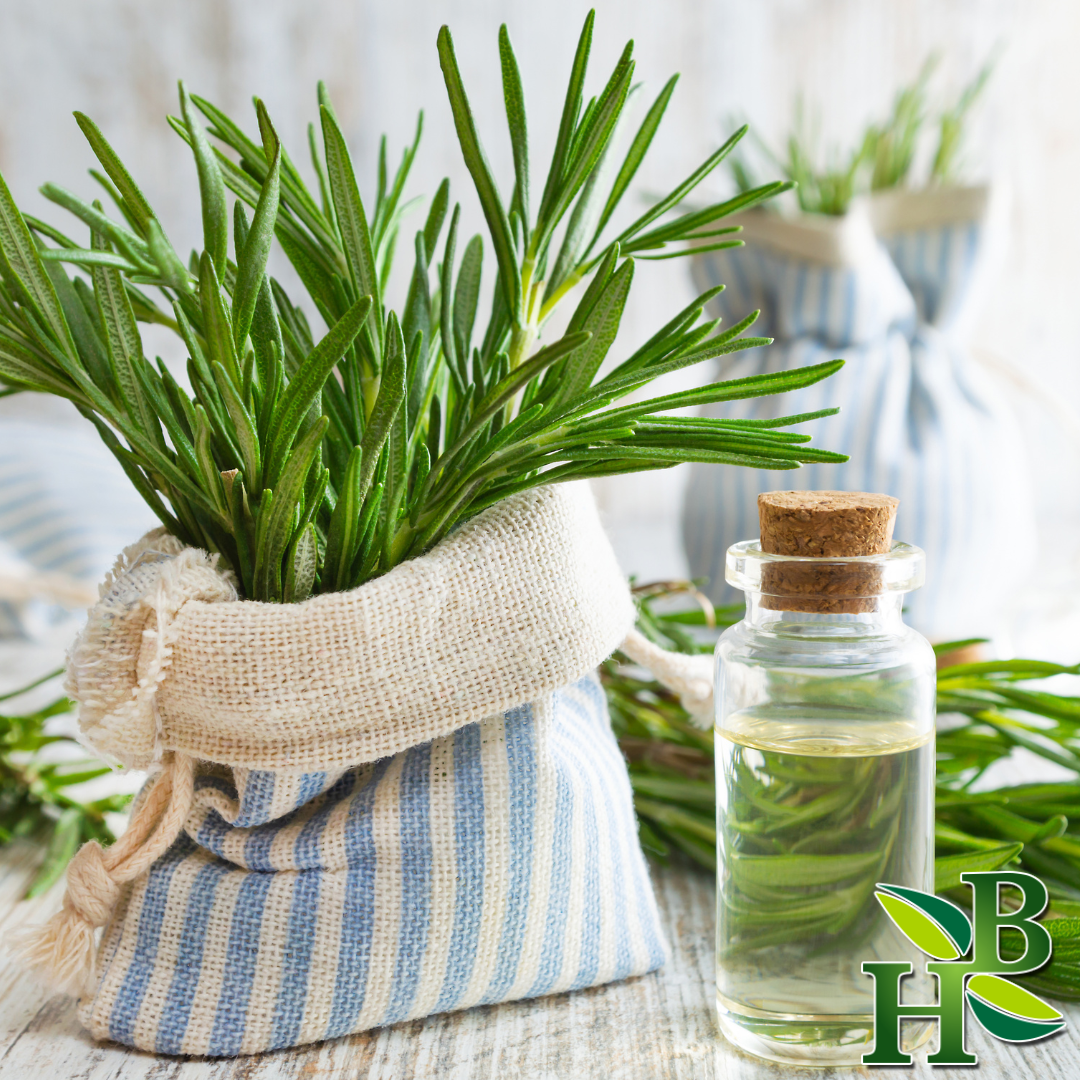
| Appearance & Aroma | Green needles with a resinous aroma. |
| Active compounds | Flavonoids, Rosmarinic acid, Diterpenes, Volatile oil, Rosmaricine, Tannins |
| Storage tips | Add to potpourri, herbal sachets and pillows |

Reviews
There are no reviews yet.