

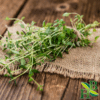
Description
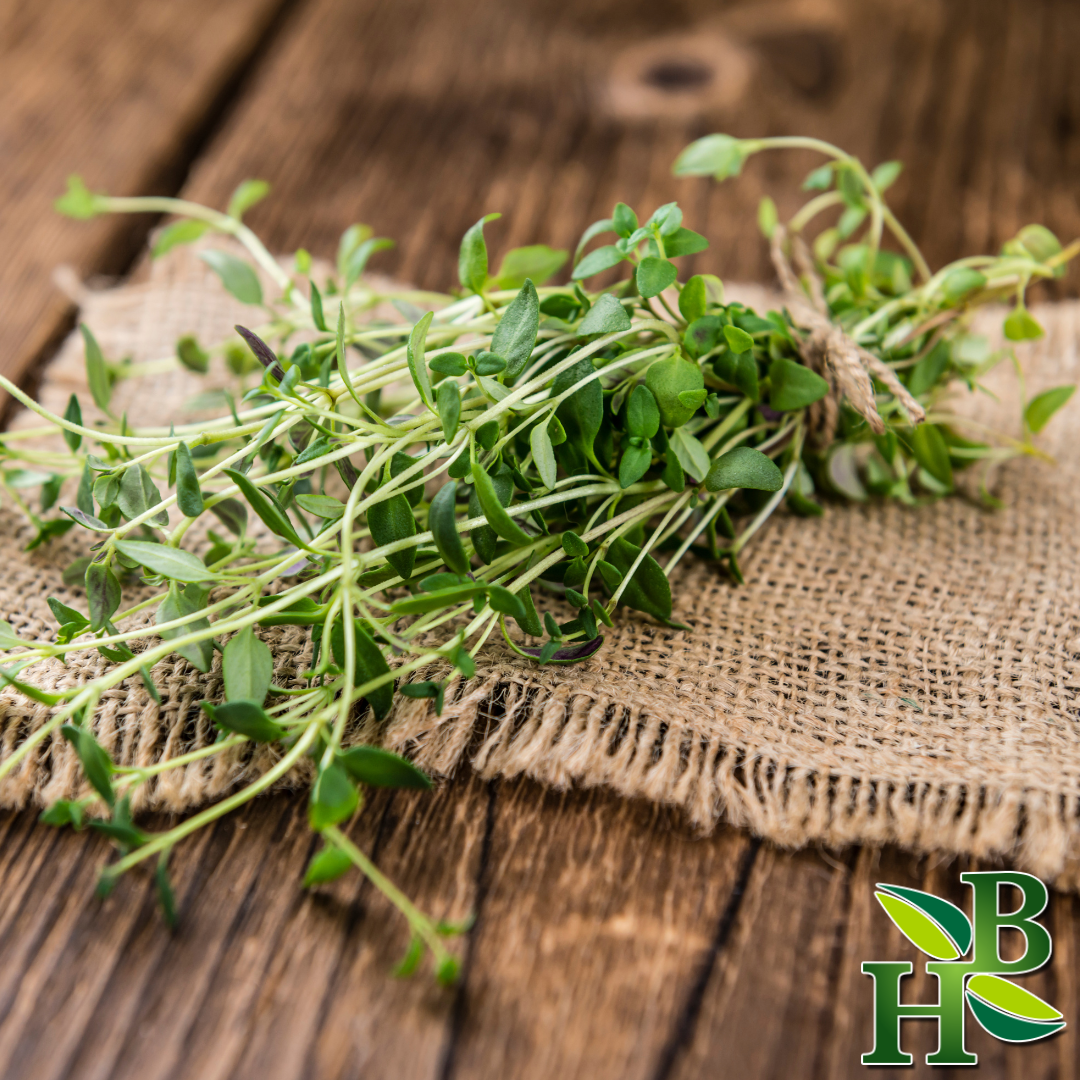
Habitat & Cultivation : Thyme, a cultivated variant of the wild thyme native to southern Europe, has become a global cultivation. It is propagated through seeds or root division during the spring season and thrives in well-draining, chalky soils. The above-ground portions are typically collected in the summer.
Key Constituents
- Volatile oil (mostly thymol and carvacrol)
- Flavonoids
- Phenolic acids
Key Actions
- Antiseptic
- Tonic
- Relieves muscle spasms
- Expectorant
- Expels worms
- Antioxidant
Research
- Volatile oil : Thyme’s volatile oil is strongly antiseptic – the constituent thymol, in particular, is a most effective antifungal. The oil is also expectorant and it expels worms.
- Anti-ageing : Studies conducted in Scotland during the 1990s proposed that thyme, along with its volatile oil, exhibits a notable tonic effect, assisting the body in its regular functions and mitigating the impacts of aging. Recent research also suggests that thyme possesses robust antioxidant properties and may contribute to the preservation of elevated essential fatty acid levels in the brain.
- Stomach ulcers : Extracts of the herb have shown strong antibacterial activity against H. pylori, a bacterium often associated with stomach ulcers.
- Menstrual pain : Various compounds found in thyme are known to alleviate muscle cramps. In a clinical trial conducted in Iran in 2014, the efficacy of thyme was compared to ibuprofen in relieving menstrual cramps. The results indicated that both treatments were effective in addressing this discomfort.
Traditional & Current Uses
- Infections : The antiseptic and tonic properties of thyme make it a useful tonic for the immune system in chronic, especially fungal, infections, as well as an effective remedy for throat and chest infections.
- Asthma & hay fever : Thyme is recommended alongside other herbs for the treatment of asthma, particularly in children. Its revitalizing attributes counterbalance the sedative effects often associated with various herbs used in asthma management. Additionally, thyme is beneficial in addressing symptoms of hay fever.
- Worms : Thyme is often used to treat worms in children.
- External uses : When applied topically, thyme provides relief from insect bites and stings, and is employed for alleviating sciatica and rheumatic pains. It is effective against conditions such as ringworm, athlete’s foot, thrush, and various fungal infections, as well as in the treatment of scabies and lice. Additionally, thyme infusion and diluted oil are utilized in scalp massages to stimulate hair growth and counteract hair loss.
ADDITIONAL INFORMATION
| Weight | N/A |
|---|---|
| Dimensions | 9 × 4 × 4 in |
| Botanical Name | Thymus vulgaris |
| Origin | Egypt |
| Size | 1lb, 4oz |
| Use | Use to season egg and cheese dishes, vegetables, soups, stews and other foods. |
| Processing | Powder |
| Appearance & Aroma | Fine green powder with a mildly spicy scent. |
| Active compounds | Tannins, Volatile oil, Flavonoids |
| Storage tips | Store in an airtight container in a cool, dark cabinet or pantry. |


Reviews
There are no reviews yet.