

Description
Traditional & Current Uses
- Traditional remedy: Turmeric enhances liver function and serves as a traditional remedy for jaundice in both Ayurvedic and Chinese herbal medicine. With a longstanding history, it has been employed as an ancient herb to address digestive issues like gastritis and acidity, playing a role in increasing mucus production for stomach protection. Additionally, turmeric has been recognized for its ability to alleviate nausea.*
- Arthritis & allergies: Even though turmeric does not relieve pain, its anti-inflammatory action makes it useful for arthritis and other inflammatory conditions such as asthma and eczema.*
- Circulatory disorders: Due to its anti-inflammatory, blood-thinning and cholesterol-lowering properties, turmeric is now used to reduce the risk of strokes and heart attacks.*
- Skin conditions: Applied to the skin, turmeric is useful in treating a number of conditions, including psoriasis, and fungal infections such as athlete’s foot.*
Habitat & Cultivation: Turmeric originates from India and southern Asia and is presently grown across tropical regions. The plant is propagated through root cuttings, requiring well-drained soil and a humid climate for optimal growth. The rhizome is typically unearthed during the winter season.
Key Constituents
- Curcumin
- Volatile oil (3-5%), including zingiberen and turmerone
- Bitter principles
- Resin
Key Actions
- Anti-inflammatory
- Lowers cholesterol levels
- Antimicrobial
- Anti-platelet (blood-thinning)
Research
- New interest in turmeric: Meanwhile, turmeric has a long history of use in India and China; however, the exploration of its therapeutic effects has only gained attention in recent decades. This surge in interest was driven by a growing fascination with foods and medicines known for their cholesterol-lowering or antioxidant properties capabilities to neutralize harmful free radicals. Research conducted predominantly in India from the 1970s onward has generally aligned with the traditional applications of the turmeric root.*
- Anti-inflammatory: Scientific investigations have demonstrated that turmeric, with a specific focus on curcumin, effectively inhibits various inflammatory pathways, offering anti-inflammatory benefits across the body. Turmeric is commonly consumed as a supplement to proactively address or manage conditions such as cancer, dementia, and numerous autoimmune diseases. Traditional powder of combining turmeric with black pepper to enhance its effectiveness is now substantiated by research findings.*
- Curcumin: When topically applied and exposed to sunlight, turmeric exhibits potent antibacterial properties, primarily attributed to its constituent, curcumin. Notably, curcumin surpasses vitamin E in its antioxidant potency.*
- Cholesterol : Chinese clinical trials in 1987 indicate that turmeric lowers cholesterol levels.*
- Cancer: Turmeric may be a valuable preventative remedy for those at risk of developing cancer, but more research is needed.*
- Other actions: Scientific research has revealed that turmeric exhibits anticoagulant properties, maintaining blood thinness. Furthermore, it enhances the production and flow of bile while offering protective effects on the stomach and liver.*
ADDITIONAL INFORMATIO
| Weight | 0.25 lbs |
|---|---|
| Dimensions | 9 × 4 × 4 in |
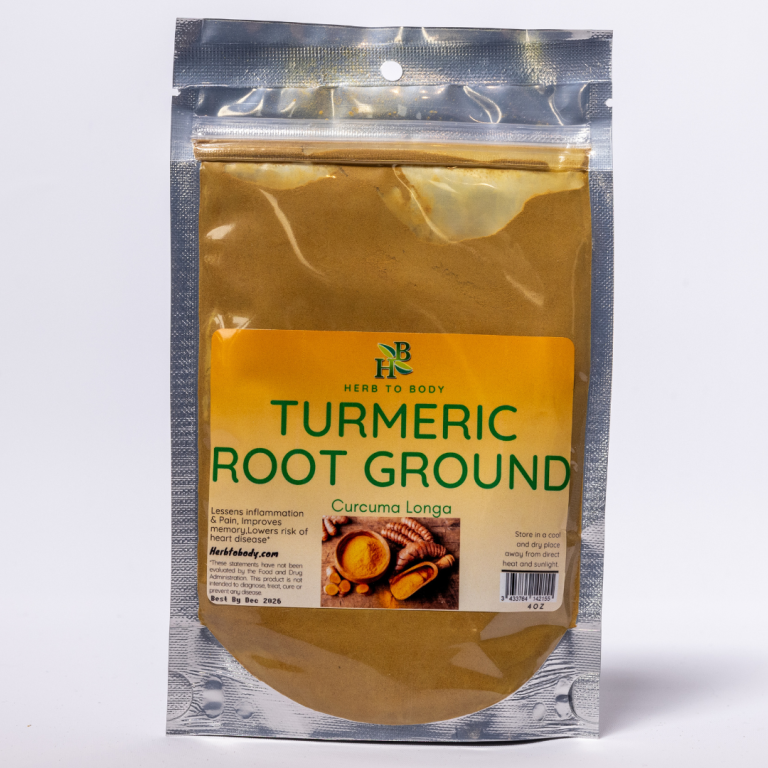
| Botanical Name | Curcuma longa |
| Size | 1lb, 4oz |
| Use | Use in tea blends, curry dishes and baked goods. |
| Processing | Powder |
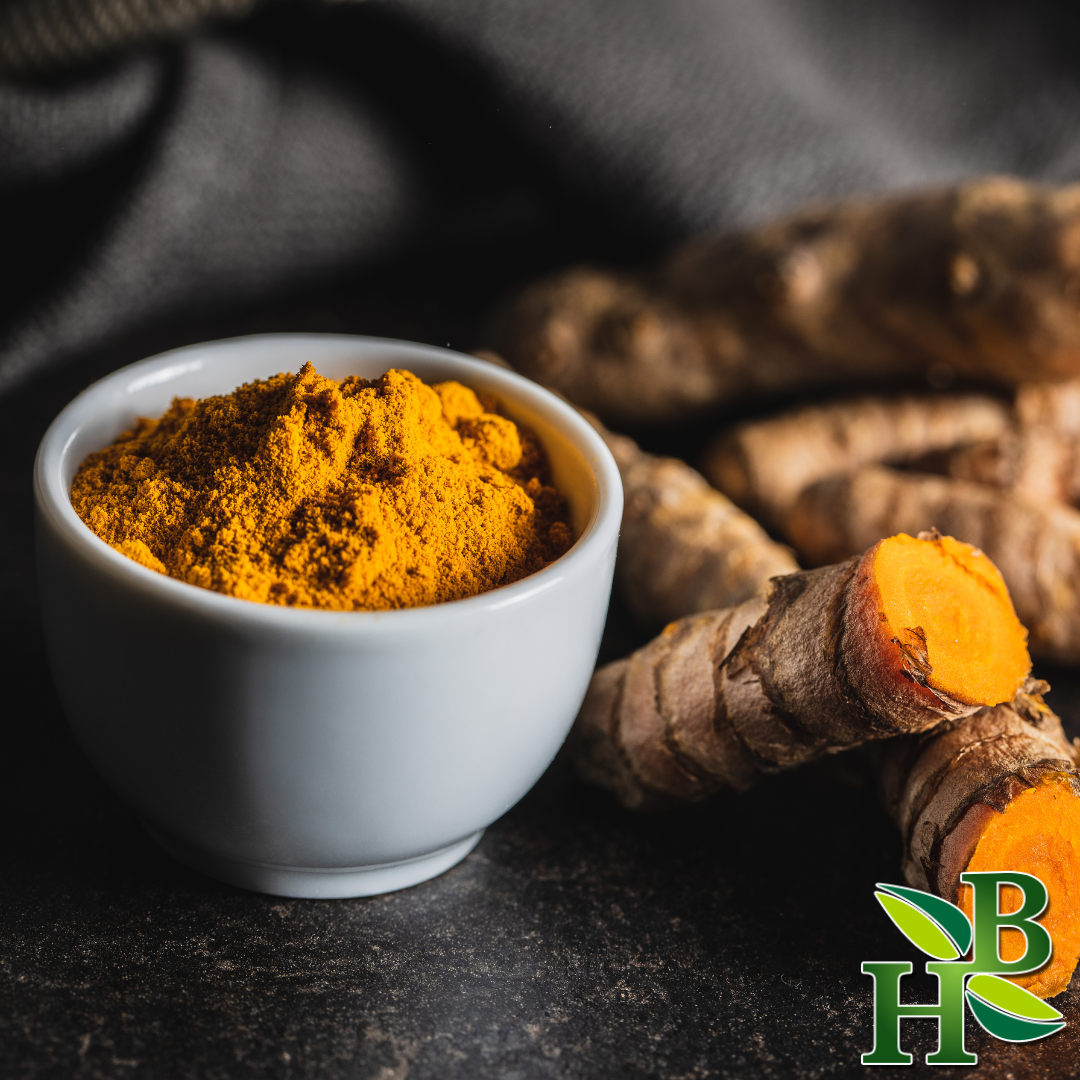
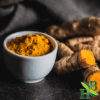
| Appearance & Aroma | Striking golden color with a spicy aroma. |
| Active compounds | Curcumin, Resin, Volatile oil, Bitter principles |
| Storage tips | Store in an airtight container in a cool, dark cabinet or pantry |
Reviews
There are no reviews yet.